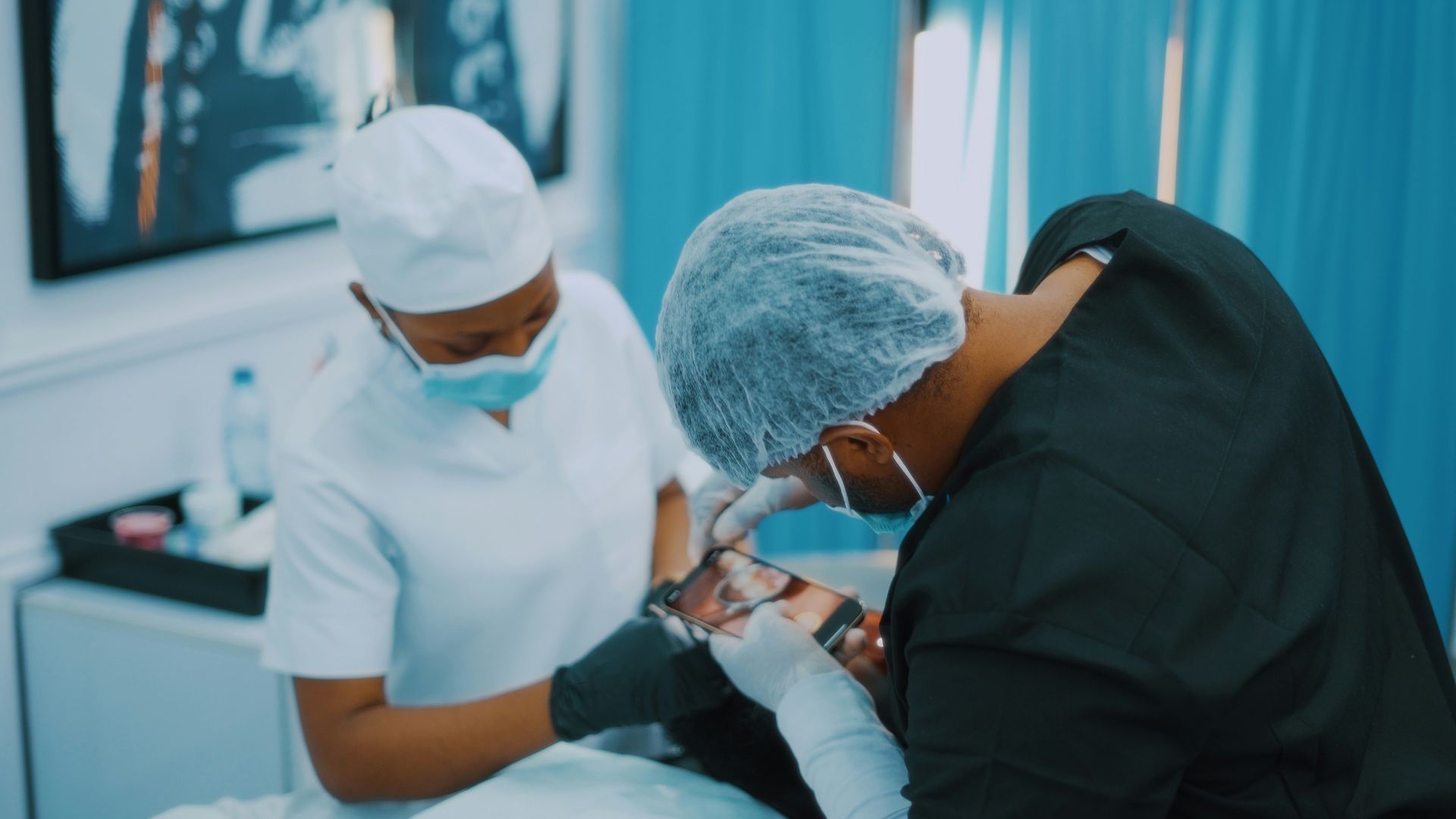
The Real Difference Between a Cosmetic Dentist and a General Dentist

Jared Ford • April 1, 2026

When patients start researching dental care in Southwest Florida, one of the most common questions is whether they should see a general dentist or a cosmetic dentist. The honest answer depends on what you are trying to accomplish and who you are trusting to accomplish it.


General dentistry focuses on the health and function of your teeth. A general dentist performs cleanings, fillings, extractions, and routine care. These services are essential and form the foundation of a healthy mouth.


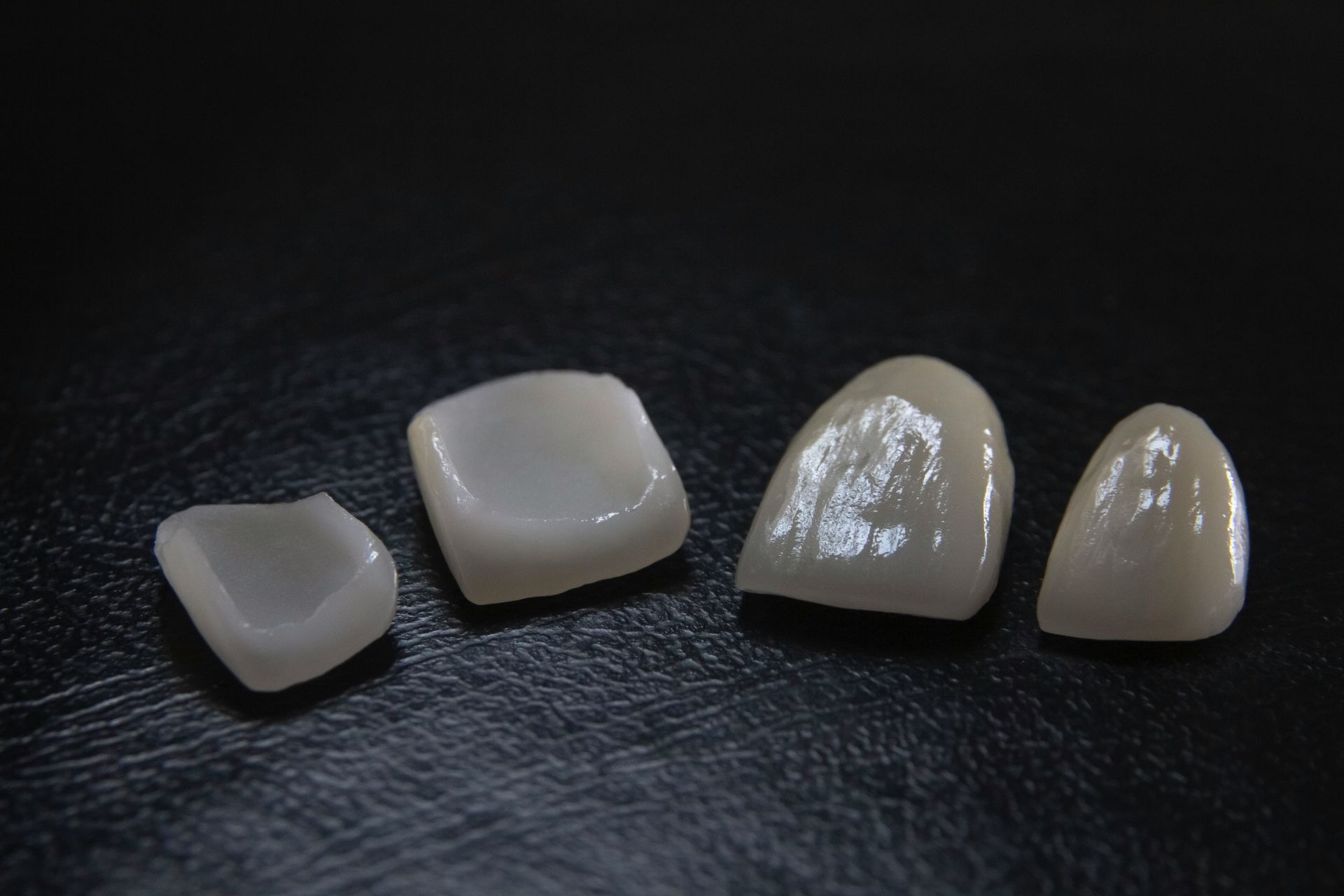
Cosmetic dentistry addresses the appearance of your smile. Treatments like porcelain veneers, smile makeovers, dental bonding, and professional whitening require a different level of training, an eye for aesthetics, and experience with the materials and techniques that produce natural, lasting results.


What sets an experienced cosmetic dentist apart is the ability to see how all the elements of a smile work together. Shape, proportion, shade, gum line, bite function, and facial harmony are all part of the picture. When one element is out of balance, the result can look unnatural even if the individual teeth look fine on their own.


Dr. Ford is a Past President of the Florida Academy of Cosmetic Dentistry and has completed hundreds of hours of advanced training at Spear Education. His practice is built around delivering results that are indistinguishable from a healthy natural smile. Learn more about his background and philosophy on the Dr. Ford page.


At Ford Signature Dentistry, we also provide comprehensive general and preventive care. Our patients trust us for everything from routine cleanings to full smile transformations because the same commitment to quality applies to every visit, not just cosmetic cases.

By Jared Ford March 25, 2026
Teeth grinding, also called bruxism, is one of the most common and underdiagnosed problems in dentistry.
By Jared Ford February 10, 2026
No prep veneers are often marketed as a conservative cosmetic solution, but they are not appropriate for every patient. Understanding candidacy is essential to achieving a predictable and long lasting result. No prep veneers are ultra thin ceramic restorations that may be placed with little to no enamel removal. They can work well for select patients with ideal tooth size, minimal crowding, and healthy enamel. Learn more about no prep veneers and what makes a case appropriate. Patients with rotated teeth, bite issues, or darker tooth color may not be ideal candidates. In these cases, traditional veneers often provide better control of shape, alignment, and shade. The goal is always predictability and longevity. Many patients compare veneer options within a comprehensive plan. If you are considering a broader approach, our smile makeover process helps determine the best path for your smile and bite.  At Ford Signature Dentistry, the decision to use no prep veneers is based on careful evaluation, not marketing claims. The right option is the one that looks natural, feels comfortable, and holds up over time.
By Jared Ford February 10, 2026
One of the biggest misconceptions in cosmetic dentistry is that a brighter smile automatically means a better smile. Whitening can help, but natural looking results start with planning, not just shade selection. A successful smile makeover considers tooth shape, proportions, alignment, gum health, and bite function. At Ford Signature Dentistry, every case begins with a detailed evaluation so aesthetics and function work together long term. If you want to understand what is included, visit our smile makeover page. For some patients, subtle changes using porcelain veneers provide the refinement needed to balance the smile. Veneers can improve symmetry, close minor spacing, and restore worn edges while maintaining a natural appearance when designed correctly. In other cases, dental crowns are necessary to restore strength before cosmetic improvements are made. Addressing structural issues first is often what makes a result last.  Natural looking dentistry is never rushed. It is a thoughtful process that prioritizes health, comfort, and longevity over short term cosmetic trends.
By Jared Ford February 10, 2026
When patients consider improving their smile, one of the most common questions is whether they need crowns or veneers. While both treatments can enhance appearance, they serve different purposes depending on tooth health and structure. A dental crown is designed to restore strength and function when a tooth has been compromised by decay, fractures, large fillings, or root canal treatment. Crowns fully cover the tooth, protecting it from further damage while restoring proper shape and bite function. If you are exploring whether a crown is right for you, read more about dental crowns and how they protect teeth long term. Porcelain veneers are a cosmetic solution. Veneers are thin ceramic restorations bonded to the front of healthy teeth to improve shape, color, and symmetry. Veneers work best when the underlying tooth structure is strong and the bite is stable. Learn more about porcelain veneers and how we design them to look natural. In many cases, patients benefit from a combination of crowns and veneers as part of a customized smile makeover. Rather than forcing every tooth into the same solution, treatment is planned tooth by tooth based on health, aesthetics, and function. Choosing between crowns and veneers is not about trends. It is about selecting the option that protects your teeth while achieving a natural, confident result that lasts.
By Jared Ford February 3, 2026
Dental implants are widely regarded as the gold standard for replacing missing teeth, but their benefits go far beyond aesthetics. Implants restore function, preserve bone, and support long term oral health. A dental implant replaces the root of a missing tooth by integrating with the jawbone, creating a stable foundation for a crown. Unlike removable options, implants feel and function like natural teeth. Learn more about dental implants and how they restore stability. For patients missing multiple teeth or an entire arch, full arch dental implants offer a fixed solution that restores confidence and chewing ability. These treatments are carefully planned to balance comfort, aesthetics, and durability. Implants also help reduce bone loss that can occur after tooth loss. Preserving bone supports facial structure and long term oral health.  Choosing implants is an investment in stability, comfort, and quality of life. The best next step is a personalized evaluation to determine the right approach for your goals.