What Happens If You Grind Your Teeth and Never Address It
Teeth grinding, also called bruxism, is one of the most common and underdiagnosed problems in dentistry. Many patients grind at night and have no idea until a dentist identifies the wear pattern.
By that point, damage may already be significant.
Grinding places excessive force on teeth, enamel, and the jaw joint over time. The effects can include flattened or hipped teeth, increased sensitivity, cracked restorations, jaw soreness, and chronic headaches. Left unaddressed, grinding can compromise the longevity of even well-made dental work.
At Ford Signature Dentistry, we evaluate bite function as part of every comprehensive exam. Identifying signs of grinding early gives us the opportunity to protect your teeth before serious damage occurs. Learn more about how we approach your overall dental health on our services page.
For patients who grind, a custom night guard is one of the most effective protective tools available. Unlike over the counter options, a properly fabricated guard is designed to fit your bite precisely, reduce joint strain, and distribute force evenly.
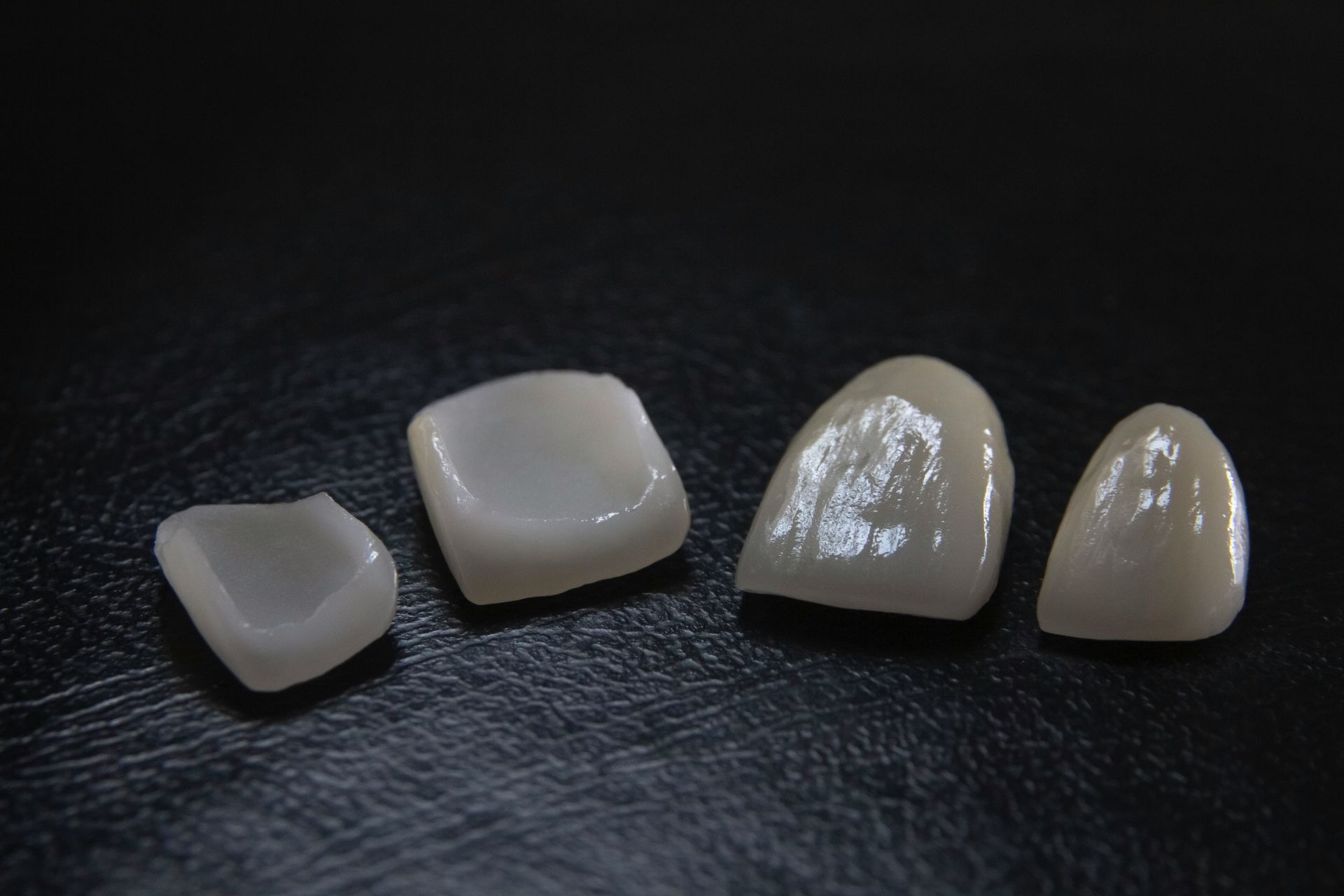
Patients who have already experienced wear from grinding may benefit from cosmetic or restorative treatment to restore the original shape and function of their teeth. In cases involving multiple teeth, a full mouth reconstruction approach may be the most appropriate path forward. Grinding is not a habit you can simply stop. It requires proper evaluation, a plan, and the right protective measures to prevent further damage over time.